
Medicare Part A is one of the four parts of Medicare, the United States’ federal health insurance program for people who are 65 or older, certain younger people with disabilities, and people with End-Stage Renal Disease (ESRD). Part A is also known as hospital insurance because it mainly covers inpatient hospital care, but it also includes coverage for skilled nursing facility care, hospice care, and home health care under certain conditions.
Medicare Part B, often referred to as medical insurance, is one of the components of the Medicare program, designed to cover outpatient medical services for those who are eligible. This part is crucial for covering aspects of healthcare that don’t involve hospital stays, which are covered under Medicare Part A.
Medicare Part C, also known as Medicare Advantage, is an alternative to Original Medicare (Parts A and B) offered by private insurance companies approved by Medicare. These plans include all the benefits of Parts A and B and often provide additional benefits such as prescription drug coverage (similar to Part D), dental, vision, and hearing care. Premiums for Part C vary by plan and insurer
Medicare Part D is prescription drug coverage. It helps cover the cost of prescription drugs, including many recommended shots or vaccines. Part D plans are offered by Medicare-approved private insurance companies, and premiums vary by plan.
Medigap, also known as Medicare Supplement Insurance, is a type of insurance policy sold by private companies to fill the “gaps” in Original Medicare coverage. Medigap policies can help pay some of the health care costs that Original Medicare doesn’t cover, like copayments, coinsurance, and deductibles.
Medicare is a federal health insurance program for people who are 65 or older, certain younger people with disabilities, and people with End-Stage Renal Disease (permanent kidney failure requiring dialysis or a transplant).
Medicare is the federal health insurance program created in 1965 for people ages 65 and over, regardless of income, medical history, or health status.
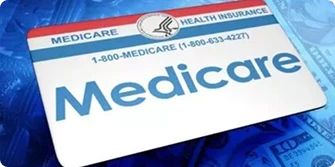
You must call the Social Security Administration at 1-800-772-1213 or contact your local Social Security Office to verify your Medicare Part A and Part B coverage. In addition, this information can also be found on your red, white, and blue Medicare card.
If you lose your card, you can get a replacement card by phone at
+1 866-706-7293 , or online at the Social Security Administration web site. Make sure you have your Medicare number ready when you make a call. You should receive your new card in about four weeks.
Medicare doesn’t automatically cover prescription drugs, but you can buy a Medicare Part D plan from a private insurer to help cover those expenses.
Medicare eligibility is primarily based on age and certain medical conditions. Individuals who are 65 years or older and U.S. citizens or permanent residents may be eligible for Medicare. Additionally, individuals under 65 with certain disabilities or end-stage renal disease (ESRD) may also qualify for Medicare coverage.